

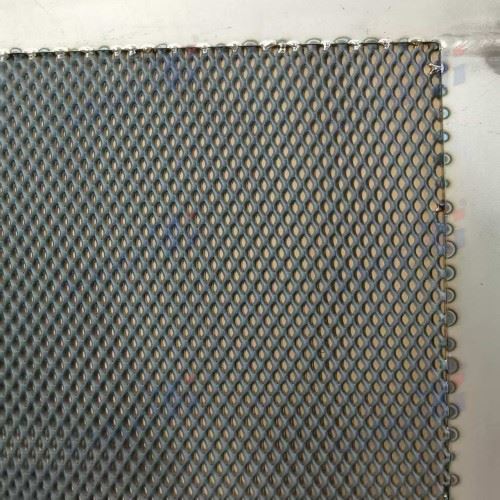
Titanium Anode Mesh
Titanium anode mesh (also known as titanium-based anode mesh) is a mesh electrode made of titanium metal as the base, through surface treatment (such as sandblasting, etching) and coating with functional coatings (such as precious metal oxides, metal oxides, etc.). It has both the corrosion resistance of titanium and the high catalytic activity of the coating, and is widely used in electrochemical industry, environmental protection, energy and other fields. The following is a detailed introduction from the aspects of structural characteristics, core advantages, preparation process, application scenarios, etc.
Why do titanium anode meshes need to be sandblasted before coating?
Sandblasting of titanium anode meshes before coating (such as precious metal coatings, oxide coatings, etc.) is a key pretreatment step to ensure the adhesion, uniformity and final electrode performance of the coating. Its core role can be explained in detail from the following aspects:
1. Improving surface roughness and enhancing coating adhesion
Physical anchoring effect: The surface of titanium metal is originally smooth (even after preliminary processing, there may be rolling marks or oxide films). Sandblasting can form a uniform microscopic concave-convex structure (roughness is usually controlled at Ra 1-5μm) by high-speed jetting abrasives (such as aluminum oxide and silicon carbide particles) to impact the surface of the titanium mesh. Coating materials (such as IrO₂, RuO₂, etc.) can fill these pits during deposition to form a structure similar to "mechanical anchoring", greatly improving the adhesion between the coating and the substrate, and avoiding the coating from falling off due to electrolyte scouring, temperature changes, etc. in subsequent use.
Increase specific surface area: The rough surface after sandblasting increases the contact area between the titanium substrate and the coating, improves the wetting performance and bonding strength of the coating from the perspective of interface thermodynamics, and reduces the interface porosity.
2. Remove surface oxide film and pollutants
Remove natural oxide film: Titanium is an active metal. When exposed to air, it will quickly form a dense oxide film (mainly TiO₂). Although this oxide film can protect the titanium substrate from further corrosion, it will hinder the direct bonding of the coating and the substrate (the oxide film and the coating have poor compatibility and are prone to interface stratification). The mechanical impact force of sandblasting can effectively break and peel off this oxide film, exposing a fresh titanium metal surface, creating conditions for chemical bonding between the coating and the substrate (such as metal bonding or oxide solid solution formation).
Remove oil and impurities: Titanium anode mesh may be contaminated with oil, dust and other pollutants during processing and storage. The abrasive carried by the high-speed airflow during sandblasting can simultaneously wash away these impurities, avoiding the embedding of pollutants into the coating to form defects (such as bubbles and pinholes), and ensuring the uniformity and density of the coating.
3. Optimize the uniformity of coating deposition
Sandblasting can correct the tiny unevenness or burrs on the titanium mesh surface caused by rolling, cutting and other processing, making the surface morphology more uniform. When the subsequent coating (such as prepared by thermal decomposition, sputtering and other methods) is deposited on a rough but uniform surface, it can cover the substrate more evenly, reduce the situation where the local coating is too thin or too thick, ensure the uniform current distribution of the titanium anode mesh during the electrolysis process, and extend the service life.
4. Adapt to the needs of different coating processes
For different coating preparation processes (such as brushing thermal decomposition, plasma spraying, electrodeposition, etc.), the requirements for the surface roughness of the substrate are different. Sandblasting can accurately control the roughness parameters (such as Ra, Rz) of the titanium mesh surface by adjusting the abrasive particle size (such as 80 mesh, 120 mesh), spray pressure and time to match the optimal deposition conditions of a specific coating process. For example, when preparing precious metal coatings by thermal decomposition, moderate roughness can promote the adsorption and uniform distribution of the coating precursor (precursor solution) and reduce liquid film shrinkage cracks during the drying process.
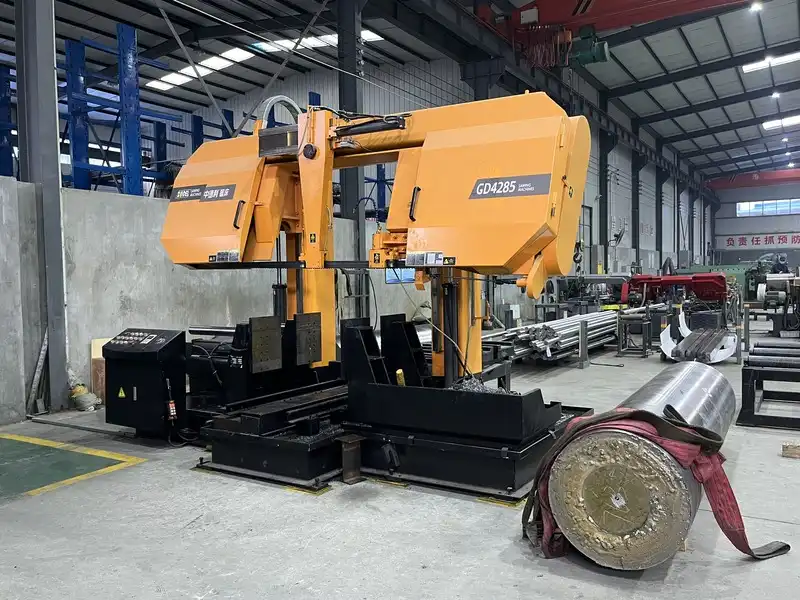
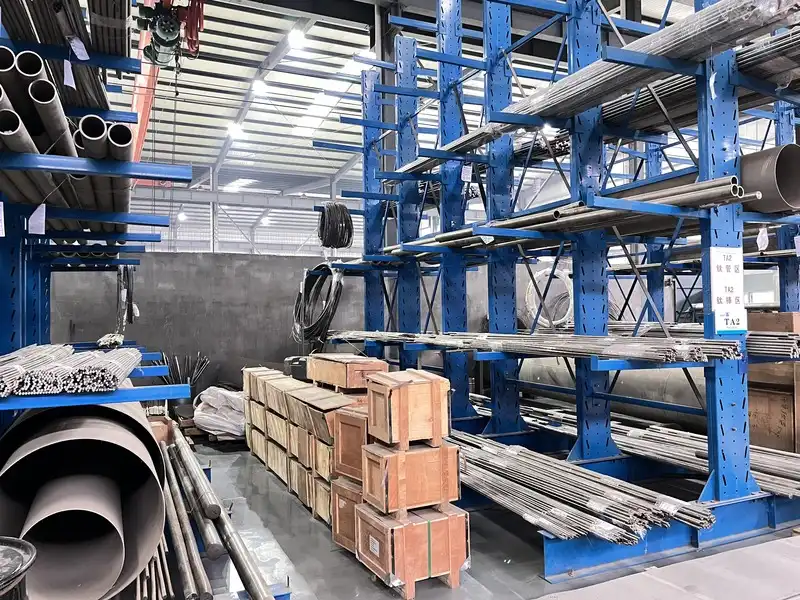
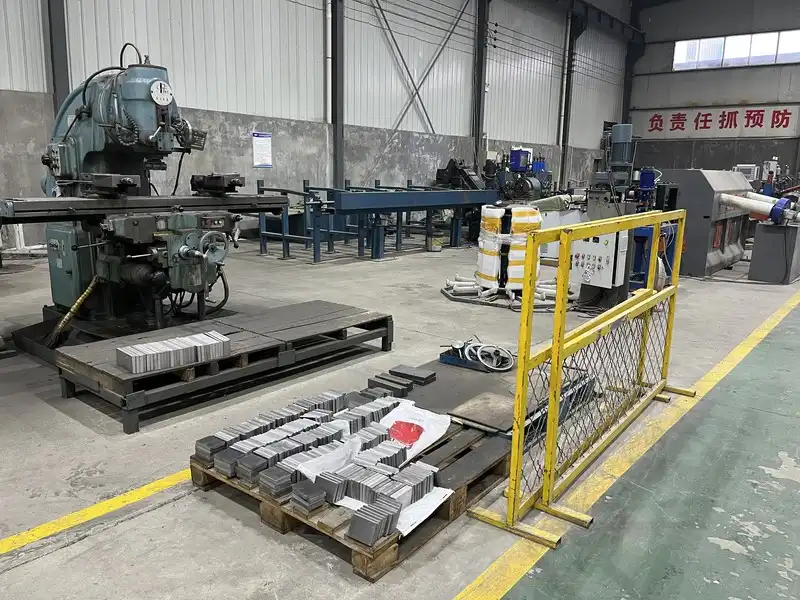
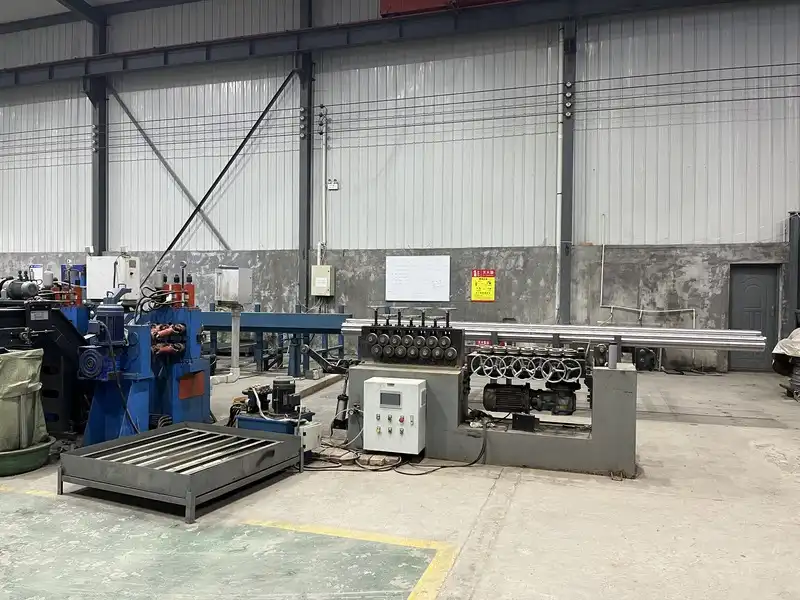
Factory show
 |
 |
 |
 |
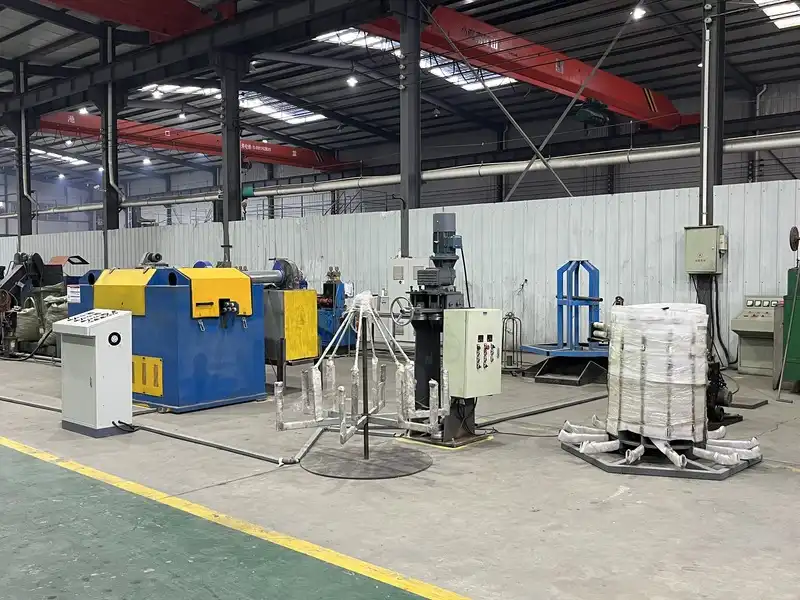
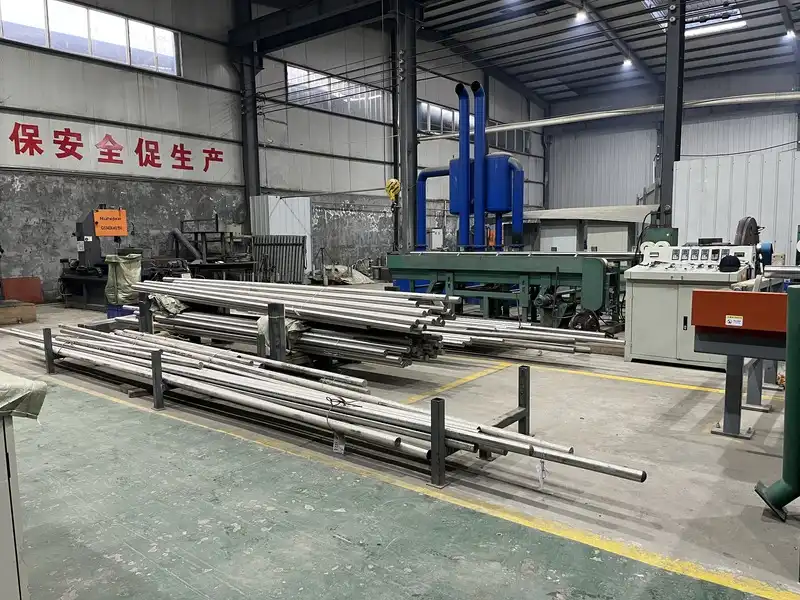
Production workshop
 |
 |
 |
 |
 |
 |
Email: sales@cxmet.com
Tel&WhatsApp: 8615891192169
Address: Shaanxi Titanium Valley, Baoji City, China
Hot Tags: titanium anode mesh, China titanium anode mesh manufacturers, suppliers, factory, Copper Cored MMO Wire Anode, Heat Shrink Coated Titanium Anode Rod, MMO Coated Titanium Anode Mesh, MMO Powered Water Heater Anode Rod, MMO Probe Anode, MMO Titanium Mesh Ribbon Anode
You Might Also Like


Send Inquiry